

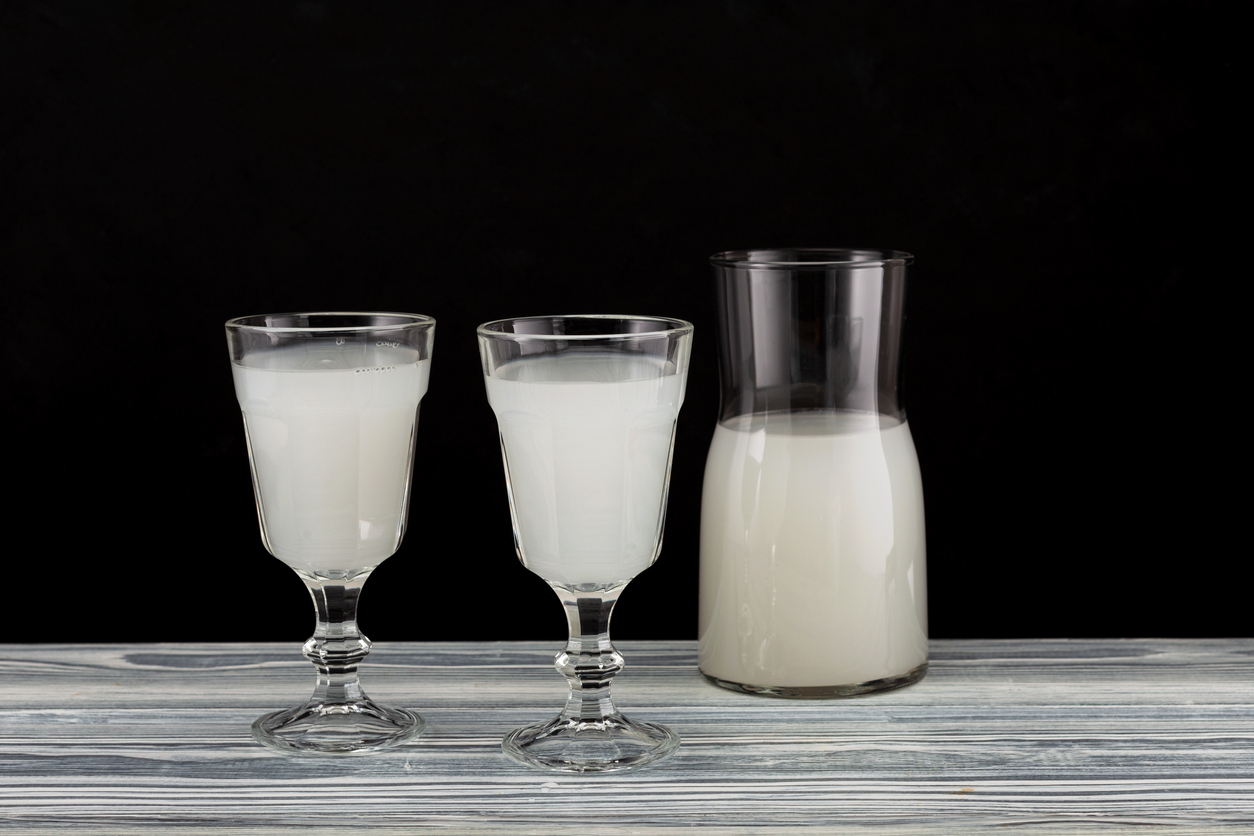
Palm wine, a cherished drink across West Africa, holds a special spot in Nigerian culture. People often call it “emu” or “nkwu.” This milky, bubbly drink is more than just alcohol. It stands for community, fun, and old ways. But what truly is Nigerian palm wine? What makes it so special? This guide explores fermented sap, examining its origins, production, significance, and unique characteristics.
Palm wine holds a special spot in Nigeria. It’s more than just a drink; it’s a vital part of life, deeply woven into the country’s social fabric. People make it by tapping fresh sap from various palm trees, like oil palm or raffia palm. This sweet, milky liquid plays a significant role in celebrations, everyday gatherings, and important family events.
But how does this unique Nigerian drink stack up against other popular beverages enjoyed worldwide? As more people seek traditional, fermented options, it’s worth comparing palm wine to alternatives like beer, grape wine, and cider. We can see what makes palm wine so special in a world full of choices.
The Essence of Nigerian Palm Wine
Tapping the Source: The Art of Palm Wine Extraction
Getting palm wine starts with tapping palm trees. Skilled local palm wine tappers know just how to cut the flowering stem of an oil palm, date palm, or raffia palm. They attach a calabash or bottle to collect the dripping sap. This old skill is passed down from parents to children, ensuring the tradition lives on. Each region in Nigeria might have its own slight twist on these tapping methods, making for unique local flavors.
From Sap to Sip: Fermentation and Flavor Profiles
Once collected, the clear sap begins to ferment naturally. Wild yeasts in the air quickly turn the sugars into alcohol. Fresh palm wine tastes sweet and fizzy, almost like a mild soda. If you let it sit longer, it becomes semi-sweet with a more decisive kick. Mature or sour palm wine has a sharper, more alcoholic taste, and is often used for cooking or mixing. The time it ferments directly changes its alcohol content and how it feels in your mouth.
Cultural Significance and Social Rituals
Palm wine is a symbol of warmth and community. You’ll find it at almost every Nigerian social event, from festive weddings to naming ceremonies. Guests share it freely, symbolizing friendship and acceptance. Serving palm wine shows great hospitality, often poured from large gourds into smaller cups. It truly binds people together, linking families and friends in shared laughter and stories.
Palm Wine vs. Popular Global Beverages
Palm Wine vs. Beer
When exploring the differences between palm wine and beer, one can begin with their fermentation processes and ingredient sources. Palm wine is a traditional beverage derived from the natural fermentation of the sap collected from various species of palm trees, such as the raffia or oil palm. This fermentation is typically a rapid process, taking only a few hours to a couple of days, resulting in a sweet, effervescent drink that can possess earthy tones, a hint of sweetness, or even a slight sourness depending on how long it has fermented.
In contrast, beer is produced through a more complex brewing method that involves fermenting grains, predominantly barley. The grains are malted and then boiled with hops, which adds a distinct bitterness and aroma to the finished product. The fermentation process for beer is also undertaken using specific strains of yeast with precise temperature and time controls, leading to the diverse styles available today, from light lagers to rich stouts. The flavor profile of beer is generally more complex than that of palm wine, characterized by malty sweetness balanced with varying levels of bitterness and hop flavors.
In terms of alcohol content, fresh palm wine typically starts with a relatively low alcohol by volume (ABV). Still, it can strengthen as it continues to ferment, sometimes reaching higher alcohol levels if stored for an extended period. Beer, however, tends to have a more consistent ABV, ranging from around 3% to 12%, depending on the type of beer being brewed.
Health Perceptions and Nutritional Value
Local communities often regard palm wine as a beverage imbued with health benefits. Many claim it is rich in essential vitamins, minerals, and antioxidants, making it a natural tonic that aids in digestion and boosts the immune system. Because of its minimal processing and natural fermentation, palm wine enthusiasts consider it a more nutritious choice compared to beer.
Beer, on the other hand, has a mixed reputation regarding health. Although some research suggests that moderate beer consumption may offer certain health benefits, such as improved cardiovascular health, it is generally viewed less favorably due to its higher caloric content and potential for overconsumption, which can result in empty calories. As a result, palm wine is frequently celebrated in local cultures as a wholesome drink with more profound nutritional significance.
Socio-Cultural Context of Consumption
The consumption of palm wine is deeply entrenched in the cultural fabric of Nigeria, particularly in rural communities where it plays a crucial role in social gatherings and traditional ceremonies. It is often served at weddings, festivals, and communal events, nurturing a sense of community and connection to ancestral customs. For many, drinking palm wine is more than just a casual experience; it is a ritual steeped in cultural heritage that fosters social bonds.
In contrast, the popularity of beer has been on the rise, especially in urban areas, where it fits seamlessly into the modern social landscape. Frequently enjoyed at bars, clubs, and casual meet-ups, beer’s appeal lies in its versatility; it caters to a wide range of social situations and demographics. However, it lacks the rich historical and cultural associations that palm wine carries, making it a more contemporary choice in the Nigerian beverage scene.
In summary, both palm wine and beer offer unique experiences shaped by their distinct histories, methods of production, and cultural significance. Whether enjoyed at a traditional gathering or a modern bar, each beverage reflects the values and preferences of its drinkers.
Palm Wine vs. Grape Wine
Grape wine is a sophisticated beverage that originates from the fermentation of various types of grapes. This process involves a meticulous regimen that includes crushing the grapes, followed by fermentation, and often aging in oak barrels for an extended period, ranging from several months to several years. The choice of grape varieties, along with factors like soil, climate, and vineyard management, plays a crucial role in determining the final flavor profile of the wine.
In contrast, palm wine is derived from the sap of specific palm trees, such as the coconut or sugar palm. The harvesting process is entirely natural; skilled tapers collect the sap from the flower buds of the palm tree. This sap is then allowed to ferment spontaneously, often within a matter of hours to a few days, depending on environmental conditions. Unlike grape wine, palm wine relies heavily on the characteristics of the palm tree and its immediate ecosystem, resulting in variations based on region and method of extraction.
Taste, Aroma, and Complexity
The flavor profile of grape wines is incredibly diverse, offering a spectrum that ranges from fruity and floral notes to deeper, oaky, and spicy nuances. The presence of tannins—natural compounds found in grape skins, seeds, and stems—contributes to the wine’s structure and complexity. Acidity also plays a significant role, balancing the sweetness and making the wine age-worthy. As a result, grape wines often present an intricate tapestry of flavors, inviting wine enthusiasts to savor and discern the various notes over time.
Palm wine, on the other hand, typically features a simpler, more straightforward flavor profile. It is generally sweeter with a pleasant, earthy undertone and a slightly yeasty aroma reminiscent of fresh-baked bread. The texture is often described as milky or creamy, which adds to its refreshing quality. Due to its less complex nature, palm wine elicits enjoyment through its freshness rather than layers of flavor, making it an accessible choice for a wide range of drinkers.
Occasion and Perception
Grape wine is frequently associated with fine dining and sophisticated events, such as weddings, galas, or formal gatherings. It is a beverage designed for slow sipping, where each taste is meant to be appreciated and contemplated, often enjoyed with food that complements its rich flavors and aromas. The experience of tasting grape wine usually entails a sense of ritual and mindfulness.
In stark contrast, palm wine plays a significant role in communal celebrations and is often consumed in social settings filled with laughter and camaraderie. This vibrant beverage is typically served in large communal cups, fostering a sense of togetherness and shared joy among participants. Whether at a celebration, a gathering, or a traditional ceremony, palm wine embodies the spirit of community and festivity, making it a cherished drink in many cultures. Its very essence lies in the carefree enjoyment and connection it creates among those who share it.
Palm Wine vs. Other Fermented Drinks (e.g., Cider, Mead)
Fruit-Based vs. Honey/Grain-Based Fermentation
Palm wine is a quintessential fruit-based fermented beverage, originating from the sap of various palm trees, including the oil palm and the coconut palm. This sap is harvested fresh and undergoes fermentation, transforming its natural sugars into alcohol. In contrast, cider is derived from the fermentation of apple juice, wherein the sugars from the apples are converted into alcohol through a similar fermentative process. Mead, often referred to as “honey wine,” is created by fermenting honey mixed with water, and it may also include various fruits or spices to enhance flavor. While all these drinks start with a primary sweet source that ferments into alcohol, palm wine is distinctive in that its “fruit” is not a harvested fruit but the living sap from the palm tree, which contributes a fresh, unique taste profile.
Unique Characteristics and Traditional Appeal
Each of these beverages holds a significant cultural and historical role in different regions. Cider, particularly in rural European countries such as France and England, has become a traditional staple, often associated with harvest festivals and local cuisine. Mead boasts a rich history, usually linked to ancient civilizations and folklore, and is frequently celebrated in literature and mythology, portraying themes of romance and celebration. In contrast, palm wine is deeply rooted in Nigerian culture, acting as a social lubricant during communal gatherings and ceremonies. The experience of drinking palm wine is not merely about indulging in a beverage; it is about connecting with the rich heritage and traditions of the Nigerian people, evoking a strong sense of place and community.
Potential for Modernization and Global Appeal
As global interest in unique and traditional beverages grows, palm wine stands at the crossroads of preservation and modernization. However, there are significant challenges that need to be addressed to help standardize and successfully distribute this one-of-a-kind drink.
Challenges in Standardization and Distribution
One of the primary challenges facing fresh palm wine is its notably short shelf life. After harvesting, the sap continues to ferment, and its flavor can turn sour rather quickly—often within just one or two days. This rapid fermentation poses significant logistical difficulties, making it challenging to store and transport the wine across long distances while preserving its fresh qualities. As a result, introducing palm wine to broader markets necessitates overcoming substantial hurdles associated with freshness and quality.
Scaling Production and Maintaining Authenticity
The traditional method of tapping palm trees for sap is a skilled and labor-intensive process, which makes it difficult to scale production to meet increasing market demands without compromising its traditional authenticity. Large-scale cultivation and commercialization could alter the delicate ecosystem and cultural landscapes from which palm wine originates. Balancing the desire for increased availability with the need to maintain the rich, authentic flavor that originates from artisanal methods is a complex challenge for producers and advocates of palm wine.
Regulatory Hurdles and Market Acceptance
To penetrate global markets, palm wine producers face an array of regulatory hurdles regarding food and beverage standards. These regulations vary widely from country to country and include issues related to labeling, alcohol content, and health and safety measures. Additionally, gaining acceptance for a beverage as unique and culturally specific as palm wine among consumers unfamiliar with it can be a gradual process. Building trust and appreciation for palm wine outside of its traditional context requires a concerted effort in education and marketing, as well as time for potential consumers to develop a palate for this distinguished drink.
Overall, palm wine’s journey towards international recognition embodies a delicate dance between preserving its heritage and adapting to contemporary market dynamics.
Opportunities for Innovation and Export in Palm Wine
Pasteurization and Packaging Solutions
Innovative methods for processing and packaging palm wine could significantly enhance its preservation and marketability. One promising technique is pasteurization, which can effectively halt the fermentation process, thereby extending the beverage’s shelf life considerably. This technique, when combined with modern packaging solutions such as bottling or canning, would not only facilitate transportation but also appeal to a broader audience both within Nigeria and abroad. By improving the stability and accessibility of palm wine, it can reach consumers far beyond local markets, paving the way for international distribution and export.
Crafting and Premiumization
Envisioning palm wine as a high-end craft beverage presents a unique opportunity for market expansion. There is potential for branding that reflects its artisanal roots, perhaps through aging processes that incorporate unique flavors or traditional techniques. This strategy would cater to a growing demographic of consumers who appreciate artisanal products and seek out distinct local flavors. By positioning palm wine as a premium offering, producers could access wealthier markets eager for exclusive and unique drinking experiences, thereby creating a niche for palm wine in the competitive beverage landscape.
Highlighting Health Benefits and Unique Story
Palm wine’s natural origins and reputed health benefits serve as compelling selling points in the modern market. Consumers today are increasingly drawn to natural and traditional foods and beverages. By effectively communicating the beverage’s cultural significance, conventional production methods, and its place in local customs, producers can attract a diverse array of curious buyers. Crafting a narrative around palm wine that emphasizes its roots and unique characteristics can distinguish it from other competitors in the beverage sector, creating an emotional connection with potential consumers.
The Future of Palm Wine: A Cultural Icon’s Journey
Case Studies or Examples of Success
There are vibrant examples of Nigerian entrepreneurs who are already making waves in the palm wine industry. These innovators are leveraging improved marketing strategies and contemporary packaging to connect with urban consumers and the Nigerian diaspora. By bridging the gap between traditional practices and modern business principles, these pioneers are effectively revitalizing interest in palm wine and demonstrating its potential as a global product. Their success stories underscore the importance of innovation in keeping cultural traditions alive while adapting to contemporary market demands.
Global Trends in Traditional Beverages
Globally, there is a noticeable trend towards artisanal and fermented drinks, with consumers increasingly gravitating towards products like kombucha, craft beers, and natural wines. Palm wine is positioned to ride this wave, offering a genuine, culturally rich option that appeals to those seeking authentic experiences. Its unique profile taps into the global appetite for diverse flavors and alternative beverages, making palm wine a viable contender in the ever-evolving beverage market.
Actionable Tips for Enjoying and Supporting Palm Wine
Seeking Out Authentic Palm Wine
To truly savor the experience of palm wine, it is essential to seek out authentic products from reputable establishments known for traditional Nigerian cuisine. Look for fresh, unadulterated palm wine, and be adventurous by trying different varieties, ranging from sweet to sour, to discover your preferences. Engaging with vendors to inquire about the origins of the palm wine can deepen your appreciation and understanding of this rich tradition, enhancing your overall enjoyment.
Supporting Sustainable Palm Wine Production
When purchasing palm wine, consider the sustainability of its production. Supporting small, local producers who adhere to sustainable tapping practices is crucial for maintaining the health of palm trees and preserving the traditional methods of production. By making informed choices, you contribute not only to the survival of this unique beverage but also to the preservation of cultural heritage. Your buying decisions can significantly impact both the environment and the livelihoods of those responsible for crafting this cherished drink.
Conclusion
Nigerian palm wine occupies a uniquely special place within the realm of beverages. Rooted in profound cultural heritage, it offers a distinct flavor profile produced through tried-and-true natural processes. Far more than just a drink, palm wine encapsulates a piece of history and tradition in every glass.
When compared to global favorites such as beer or grape wine, palm wine stands out not simply as a thirst-quencher but as a vibrant cultural experience waiting to be discovered. The potential for palm wine to gain wider recognition and appreciation on the global stage is significant, and it invites adventurous consumers to explore its rich taste and cultural significance.
Discover more from Healthinfo24.com
Subscribe to get the latest posts sent to your email.






Owen3962
https://shorturl.fm/Yl2LQ