

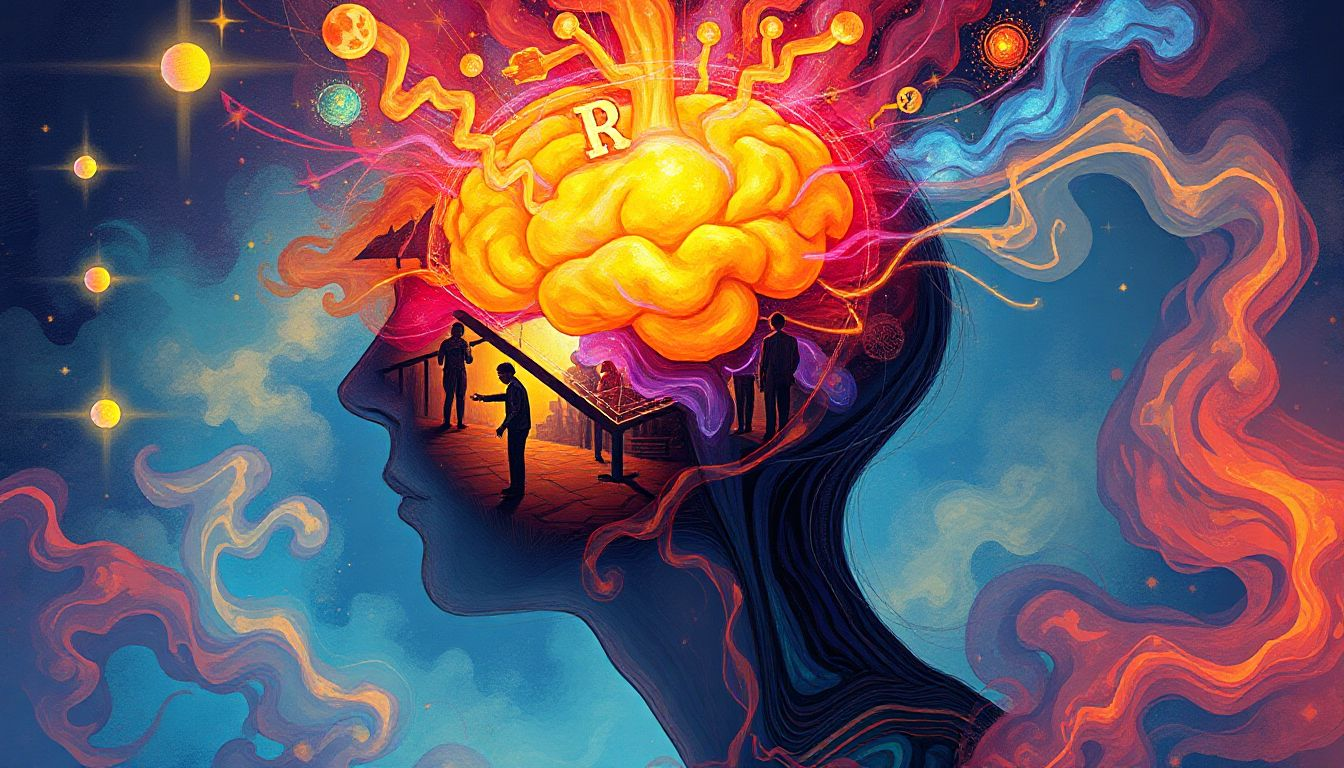
Do you remember where you were when you heard major news? Or a moment of pure joy, like a child’s first steps? These events often feel incredibly clear, almost as if they happened yesterday. The details, the feelings, even the smells, can come rushing back. It is a common human experience. Emotionally charged memories stand out from the daily grind.
Why do these powerful moments stick with us so much more vividly than mundane experiences? Why do we remember the highs and lows so well, yet forget what we had for lunch last Tuesday? The answer lies deep within our brains. Specific biological and psychological gears turn when our feelings are involved. They work together to make sure essential events leave a lasting mark.
This article will pull back the curtain on how our brains handle emotional memory. We will examine the brain parts involved, such as the amygdala. We will explore the role of hormones and different kinds of emotional memories. Finally, you will see how understanding this connection can help us in learning and personal well-being.
The Neuroscience of Emotional Memory: Your Brain’s Built-in Highlight Reel
Our brain has a special way of highlighting important events. Think of it as an internal system that marks specific memories for extra storage. This process often begins with our feelings. Emotions act as a signal, telling our brain what to pay attention to and remember.
The Amygdala’s Starring Role
The amygdala is a small, almond-shaped area deep inside your brain. It is the main control center for processing emotions. When something emotionally important happens, the amygdala lights up. It is like the brain’s alarm system, alerting other parts that this moment matters.
The Amygdala and Emotional Valence
The amygdala responds to all kinds of feelings. It gets activated by both happy and sad events. Whether you feel extreme joy or deep fear, your amygdala is hard at work. It assigns emotional meaning to what you experience. This means it decides if an event is good, bad, or important enough to remember.
Amygdala-Hippocampus Interaction: The Memory Consolidation Link
The amygdala does not work alone. It talks closely with the hippocampus, another brain area vital for forming new memories. When the amygdala senses an event is emotionally significant, it sends strong signals to the hippocampus. This partnership helps lock in the memory. It makes it stronger and more likely to last.
Neurotransmitters and Hormones: The Chemical Cocktail of Remembrance
Beyond specific brain areas, tiny chemical messengers also play a part. These chemicals, called neurotransmitters and hormones, flood our system during emotional times. They boost the brain’s ability to store information. This chemical rush helps make memories more solid.
The Impact of Stress Hormones (e.g., Cortisol, Adrenaline)
When you feel strong emotions, especially stress or fear, your body releases hormones. Cortisol and adrenaline are two of these key players. They sharpen your focus in the moment. These hormones also help strengthen the memory trace of the event. However, too much stress over time can harm memory. Research shows memory recall often increases for emotionally exciting events when stress hormones are present.
The Role of Dopamine and Norepinephrine
Dopamine and norepinephrine are other crucial chemical messengers. Dopamine is linked to pleasure and reward. Norepinephrine helps us stay alert and focused. Both contribute to how well we remember emotional experiences. They make sure important details are properly encoded and stored.
Types of Emotional Memories: More Than Just a Single Event
Not all emotional memories are the same. Our brains store them in different ways. Some are like vivid photographs, while others are more like personal stories. Understanding these types helps us see how emotion shapes our past.
Flashbulb Memories: Vivid, Yet Not Always Accurate
Flashbulb memories are highly detailed and vivid recollections. They are usually about shocking or significant public events. People often remember where they were, who they were with, and what they were doing when they heard the news. Think of hearing about 9/11 or the JFK assassination.
Characteristics of Flashbulb Memories
These memories have clear features. They often involve surprise and intense feelings. The circumstances around hearing the news are usually very distinct. People also deeply believe these memories are highly accurate. They feel like a perfect snapshot of the past.
The Reliability Debate: Accuracy vs. Vividness
Even though flashbulb memories feel true, their accuracy is often debated. Studies show that while they stay vivid, details can change over time. The strong emotion makes them feel real, but it does not always mean they are perfectly correct. Memory researchers frequently note, “The vividness of a memory is not a perfect indicator of its accuracy.” For example, many people have clear flashbulb memories of hearing about the 9/11 attacks. Yet, studies found many minor errors when comparing initial reports to later recollections.
Emotional Episodic Memory: The Personal Narrative
Episodic memory refers to our memory for specific events in our own lives. This includes personal experiences, like your last birthday party. Emotion strongly colors these personal narratives. How you felt during an event shapes how you remember it.
Emotion’s Influence on Encoding and Retrieval
The emotional tone of an event affects how your brain stores it. A happy memory, for example, might be easier to pull up later. The emotion acts as a tag, making it easier to locate that memory in your brain’s vast library. This emotional tag helps both putting it in and taking it out.
Emotional Bias in Memory
Our current feelings can also sway what we remember from the past. If you are feeling down, you might recall more negative past events. Your current mood can also make you interpret old memories differently. This is called emotional bias in memory. It shows how our inner world affects our view of history.
Why Emotional Memories Persist: Evolutionary and Psychological Perspectives
Emotional memories stick with us for powerful reasons. These reasons go back to our earliest ancestors and how our minds work. They highlight why our brain prioritizes remembering feelings.
Evolutionary Advantage: Survival and Learning
Remembering emotionally intense events likely gave our ancestors an edge. This was especially true for negative experiences. Learning from what hurt them helped them stay alive. It was a key part of their survival strategy.
Learning from Threatening Experiences
If an ancestor ate a poisonous plant and got sick, the fear would make them remember the plant’s look and location. This powerful negative emotional memory kept them safe in the future. Remembering dangers, like where a predator lived, was essential for avoiding harm again.
The Role of Emotion in Social Bonding and Learning
Positive emotions also played a big part. Feelings tied to shared meals, successful hunts, or family connections strengthened social bonds. These happy memories encouraged teamwork and helped societies grow. Such moments were vital for learning how to live well together.
Psychological Mechanisms: Attention and Rehearsal
Beyond evolution, certain aspects of our mental processes also make emotional memories last. These cognitive processes reinforce our emotional experiences. They make sure the critical stuff gets extra attention.
Enhanced Attention to Emotional Stimuli
When we feel strong emotions, our attention naturally zeroes in. We focus more on what is happening. This sharpened focus leads to deeper processing of the event. The more attention we give something, the better we remember it. Our brains are built to prioritize emotional information.
The Impact of Rumination and Rehearsal
Thinking about emotional events also strengthens them. When we re-tell a story, mentally relive a moment, or talk about it with others, we are rehearsing that memory. This repeated exposure, even if it is just in our minds, makes the memory more stable. This rehearsal, often unconscious, cements emotional memories.
Practical Applications: Harnessing the Power of Emotional Memory
Understanding how emotions and memory connect can be very helpful. We can apply this knowledge in various aspects of our lives. It helps us learn better and even manage our well-being.
Education and Learning
Educators can use emotional connections to make learning stick. When students have an emotional connection to what they are learning, they remember it more easily. Making topics relevant to life helps here.
Making Learning Engaging and Relevant
Storytelling is a great way to do this. Connect subjects to students’ lives and feelings. Use active learning methods that encourage students to participate and explore. This creates emotional relevance, which boosts retention. Educators can connect new lessons to personal experiences or current events. This makes the material feel more critical.
The Role of “Edutainment”
“Edutainment” mixes education with entertainment. This can be very effective because it engages emotions. Think of documentaries that make you feel something. Or games that teach history through thrilling narratives. Such methods work well since they make learning an emotional experience.
Personal Growth and Well-being
Understanding emotional memory can also benefit us personally. It offers insight into how we process our past. This understanding can lead to greater self-awareness.
Processing Difficult Memories
Acknowledging the emotional part of tough memories is a step in healing. Therapeutic methods often work with these emotional links. Understanding why a memory is so vivid, even if painful, helps process it. Try mindful reflection on past emotional experiences to gain perspective. This can reduce their hold on you over time.
Cultivating Positive Memories
Just as we remember bad things, we can also build up good memories. Actively seeking out and enjoying positive experiences helps. Savoring happy moments creates a stronger store of pleasant memories. Keep a journal to write down positive emotional events. This practice can strengthen your recall of good times.
Conclusion
Our brains are amazing machines for memory. They have a sophisticated system for prioritizing and encoding emotional moments. The amygdala, working with the hippocampus, is central to this. Our body’s hormonal responses also play a big part.
While emotional memories are incredibly vivid, they are not always perfectly accurate. Factors like repeated thinking and our current feelings can shift how we recall them. The strength of the emotion often makes us believe in their truth, even if small details change.
Emotional events stick with us for deep reasons. They offered a significant evolutionary advantage, helping us learn and survive. Psychologically, strong emotions grab our attention. This leads to deeper processing and more rehearsal. Appreciating this connection helps us better understand ourselves. We can make sense of our past. We can also learn from life’s most impactful moments.
Discover more from Healthinfo24.com
Subscribe to get the latest posts sent to your email.





Bernice2787
https://shorturl.fm/oRuSE