


Menopause, often viewed as the end of a woman’s reproductive years, is increasingly being recognized as a significant life transition, a gateway to a new chapter filled with opportunities for self-discovery and personal growth. It’s a time to redefine oneself, shed old expectations, and embrace a renewed sense of identity. This blog post aims to explore the multifaceted aspects of menopause, highlighting its potential as a catalyst for positive change and empowering women to reclaim their identities during this transformative period.
Understanding Menopause: Beyond the Physical Symptoms
Menopause is officially defined as the cessation of menstruation for 12 consecutive months, marking the end of a woman’s reproductive capability. This biological event typically occurs between the ages of 45 and 55, with the average age being 51. The transition leading up to menopause, known as perimenopause, can last for several years and is characterized by fluctuating hormone levels, primarily estrogen and progesterone.
While the physical symptoms of menopause, such as hot flashes, night sweats, vaginal dryness, and sleep disturbances, are widely recognized, it’s crucial to understand that menopause is more than just a collection of physical ailments. It’s a holistic experience that affects a woman’s emotional, psychological, and social well-being. The hormonal shifts can trigger mood swings, anxiety, irritability, and difficulty concentrating. Furthermore, the realization that one’s reproductive years are over can evoke feelings of loss, grief, and uncertainty about the future.
The Societal Stigma Surrounding Menopause
Unfortunately, menopause is often shrouded in societal stigma and negative stereotypes. It’s frequently portrayed as a period of decline, associated with aging, loss of beauty, and diminished vitality. This negative perception can contribute to feelings of shame, embarrassment, and isolation among women experiencing menopause.
The media often perpetuates these stereotypes, focusing on the negative aspects of menopause while neglecting the potential for growth and empowerment. This lack of positive representation can make it difficult for women to embrace this natural life transition and view it as an opportunity for self-discovery.
Menopause as a Catalyst for Self-Reflection
Despite the challenges, menopause can be a powerful catalyst for self-reflection and personal growth. As women navigate the physical and emotional changes of this transition, they often begin to re-evaluate their priorities, values, and goals. This period of introspection can lead to a deeper understanding of oneself and a renewed sense of purpose.
With the children grown and more time available, many women find themselves with the opportunity to pursue long-held dreams, explore new interests, and redefine their roles in life. Menopause can be a time to shed old expectations and societal pressures, allowing women to embrace their authentic selves and live more fulfilling lives.
Reclaiming Your Identity: A Multifaceted Approach
Reclaiming your identity during menopause is a multifaceted process that involves addressing the physical, emotional, and social aspects of this transition. Here are some strategies to help you navigate this journey with grace and empowerment:
- Prioritize Self-Care: Self-care is essential during menopause. Make time for activities that nourish your body, mind, and soul. This could include exercise, healthy eating, meditation, yoga, spending time in nature, or engaging in hobbies you enjoy.
- Manage Physical Symptoms: Addressing the physical symptoms of menopause can significantly improve your quality of life. Consult with your healthcare provider about hormone therapy, alternative therapies, and lifestyle changes that can help alleviate symptoms such as hot flashes, night sweats, and vaginal dryness.
- Embrace Emotional Well-being: Menopause can trigger a range of emotions, including anxiety, depression, and irritability. Seek support from a therapist, counselor, or support group to help you navigate these emotional challenges. Practice mindfulness and stress-reduction techniques to promote emotional well-being.
- Nurture Relationships: Menopause can affect your relationships with your partner, family, and friends. Communicate openly and honestly about your experiences and needs. Nurture your relationships by spending quality time with loved ones and engaging in activities you enjoy together.
- Explore New Interests and Passions: Menopause can be a time to explore new interests and passions. Take a class, join a club, volunteer in your community, or pursue a hobby you’ve always wanted to try. Engaging in activities that bring you joy and fulfillment can help you rediscover your identity and purpose.
- Redefine Your Role in Life: As your children grow and your responsibilities evolve, menopause can be a time to reassess and redefine your role in life. Consider what you want to achieve in the next chapter of your life and set goals that align with your values and aspirations.
- Challenge Negative Stereotypes: Challenge the negative stereotypes surrounding menopause by educating yourself and others about the positive aspects of this transition. Share your experiences with other women and advocate for greater awareness and understanding of menopause.
- Embrace Your Sexuality: Menopause can affect your sexual desire and function. Communicate openly with your partner about your needs and explore ways to maintain intimacy and pleasure. Consider using lubricants or other products to address vaginal dryness.
- Seek Support from Other Women: Connecting with other women who are experiencing menopause can provide invaluable support and understanding. Join a support group, attend workshops, or connect with other women online to find support and resources. Sharing your experiences and learning from others can help you feel less alone and more empowered.
- Celebrate Your Wisdom and Experience: Menopause is a time to celebrate your wisdom and the valuable experiences it brings. You have accumulated a wealth of knowledge and skills throughout your life. Embrace your accomplishments and use your expertise to guide and inspire others.
The Power of Community and Support
Connecting with other women who are experiencing menopause can be incredibly beneficial. Sharing experiences, offering support, and learning from one another can help women feel less isolated and more empowered to navigate this transition. Support groups, online forums, and workshops offer women opportunities to connect, share their stories, and learn effective coping strategies.
Reframing the Narrative: Menopause as Empowerment
It’s time to reframe the narrative surrounding menopause and recognize it as a period of empowerment and self-discovery. By challenging negative stereotypes, embracing self-care, and connecting with other women, women can reclaim their identities and live fulfilling lives during and after menopause.
Menopause is not the end of anything; it’s the beginning of a new chapter. It’s a time to embrace your authentic self, pursue your passions, and live life to the fullest. Embrace the journey, celebrate your wisdom, and empower yourself to reclaim your identity during this transformative period.
Practical Tips for Thriving During Menopause
Beyond the broader strategies for reclaiming your identity, here are some practical tips to help you thrive during menopause:
- Dietary Adjustments: Focus on a balanced diet rich in fruits, vegetables, whole grains, and lean protein. Limit processed foods, sugary drinks, and excessive caffeine and alcohol, which can exacerbate menopausal symptoms. Incorporate foods rich in phytoestrogens, such as soy products, flaxseeds, and legumes, which may help alleviate hot flashes.
- Regular Exercise: Engage in regular physical activity, including both cardiovascular exercise and strength training. Exercise can help manage weight, improve mood, reduce stress, and strengthen bones. Aim for at least 30 minutes of moderate-intensity exercise most days of the week.
- Stress Management Techniques: Practice stress management techniques such as meditation, yoga, deep breathing exercises, or spending time in nature to help manage stress. Chronic stress can worsen menopausal symptoms and negatively impact your overall well-being.
- Adequate Sleep: Prioritize sleep and aim for at least 7-8 hours of quality sleep per night. Establish a regular sleep schedule, create a relaxing bedtime routine, and avoid caffeine and alcohol before bed.
- Hydration: Drink plenty of water throughout the day to stay hydrated. Dehydration can worsen symptoms such as hot flashes and vaginal dryness.
- Supplements: Consider taking supplements such as calcium, vitamin D, and magnesium to support bone health and overall well-being. Consult with your healthcare provider before taking any new supplements.
- Vaginal Health: Address vaginal dryness with over-the-counter lubricants or moisturizers. Talk to your healthcare provider about prescription options such as vaginal estrogen if needed.
- Bone Health: Get regular bone density screenings to monitor your bone health. Take steps to prevent osteoporosis, such as getting enough calcium and vitamin D, engaging in weight-bearing exercise, and avoiding smoking.
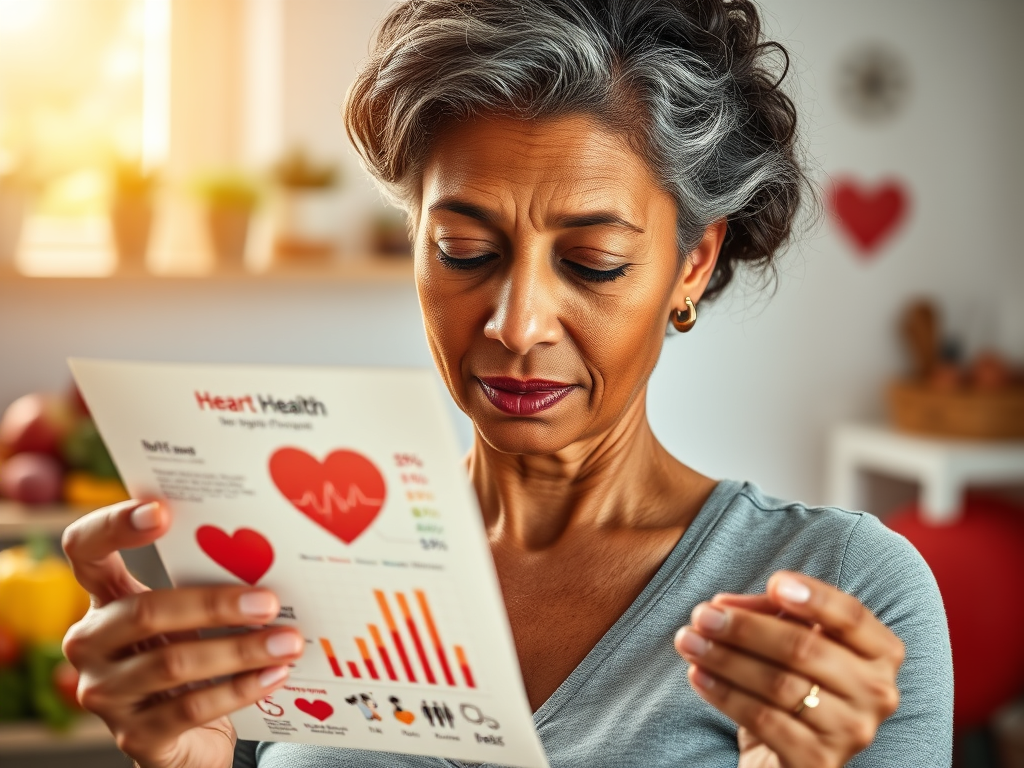
- Heart Health: Be aware of your risk factors for heart disease and take steps to protect your heart health. This includes maintaining a healthy weight, eating a nutritious diet, exercising regularly, and managing your blood pressure and cholesterol levels.
- Mindfulness and Gratitude: Practice mindfulness and gratitude to cultivate a positive outlook and appreciate the present moment. Focus on the things you are grateful for and find joy in everyday experiences.
Menopause and the Workplace
Menopause can also impact women in the workplace. Symptoms such as hot flashes, fatigue, and difficulty concentrating can affect productivity and performance. Employers need to create a supportive and understanding work environment for women experiencing menopause. This may include providing flexible work arrangements, access to quiet spaces, and education about menopause.
Women should also feel comfortable discussing their needs with their employers and seeking accommodations if necessary. Open communication and a supportive work environment can help women thrive in their careers during menopause.
The Future of Menopause: Research and Innovation
Research into menopause is ongoing, with scientists exploring new treatments and therapies to alleviate symptoms and improve women’s Health. Innovations in hormone therapy, alternative therapies, and lifestyle interventions are offering women more options for managing menopause.
As research continues, it’s essential to stay informed about the latest developments and consult with your healthcare provider to determine the best treatment options for you.
Conclusion: Embracing the Journey with Confidence
Menopause is a natural and inevitable part of a woman’s life. While it can present challenges, it also offers opportunities for self-discovery, personal growth, and empowerment. By embracing self-care, connecting with other women, and challenging negative stereotypes, women can reclaim their identities and live fulfilling lives during and after menopause.
Remember that you are not alone on this journey. Seek support from your healthcare provider, family, friends, and other women who are experiencing menopause. Embrace the changes, celebrate your wisdom, and empower yourself to live your best life. Menopause is not the end; it’s a new beginning. Embrace it with confidence and grace.
Discover more from Healthinfo24.com
Subscribe to get the latest posts sent to your email.







Julia1452
https://shorturl.fm/8fJ7h