


Menopause, a natural and inevitable phase in a woman’s life, marks the end of her reproductive years. While often associated with hot flashes, mood swings, and sleep disturbances, this significant biological transition also brings profound—and frequently overlooked—changes to cardiovascular health. For women, the risk of heart disease, once significantly lower than men’s, begins to catch up and even surpass it post-menopause. Understanding these evolving risks and adopting proactive strategies is crucial for maintaining a healthy heart for years to come.
The Estrogen Connection: Why Risks Increase
Before menopause, estrogen, the primary female sex hormone, plays a significant protective role in the cardiovascular system. It helps to:
- Maintain blood vessel flexibility: Keeping arteries wide and pliable, promoting healthy blood flow.
- Regulate cholesterol levels: Helping to raise “good” HDL cholesterol and lower “bad” LDL cholesterol.
- Support healthy blood pressure: Influencing the renin-angiotensin system, which controls blood pressure.
- Reduce inflammation: A key contributor to the buildup of arterial plaque.
When estrogen levels decline drastically during perimenopause and menopause, this protective shield weakens. The absence of estrogen can lead to:
- Changes in blood vessel function: Arteries can become stiffer and less elastic, leading to increased blood pressure.
- Unfavorable lipid profiles: LDL (bad) cholesterol often rises, HDL (good) cholesterol may decrease, and triglycerides can increase.
- Increased risk of metabolic syndrome: A cluster of conditions including high blood pressure, high blood sugar, excess body fat around the waist, and abnormal cholesterol or triglyceride levels, all of which elevate heart disease risk.
- Weight gain, especially abdominal fat, is particularly linked to heart disease and insulin resistance.
Beyond Estrogen: Compounding Risk Factors
While estrogen loss is a primary factor, several other risk factors tend to increase around midlife for women, further contributing to cardiovascular risk:
- Aging: Simply getting older increases the risk of heart disease for everyone.
- High Blood Pressure (Hypertension): Becomes more common in women after menopause.
- High Cholesterol: As mentioned, lipid profiles often worsen.
- Diabetes: The risk of developing type 2 diabetes increases, partly due to changes in metabolism and weight gain.
- Increased Inflammation: Chronic, low-grade inflammation plays a significant role in the development of atherosclerosis.
- Lifestyle Factors: Many women in midlife face increased stress, less time for exercise, and changes in diet due to busy schedules or other priorities, all of which can negatively impact heart health.
Taking Control: Strategies for a Healthy Heart in Menopause
Menopause is not a sentence for heart disease; instead, it’s a crucial time to heighten awareness and commit to proactive steps. By adopting healthy lifestyle choices and working closely with healthcare providers, women can significantly mitigate their cardiovascular risk.
- Prioritize a Heart-Healthy Diet:
- Embrace whole foods: Focus on fruits, vegetables, whole grains, lean proteins (such as fish, poultry, and legumes), and healthy fats (like avocado, nuts, seeds, and olive oil).
- Limit processed foods: Reduce intake of sugary drinks, refined carbohydrates, unhealthy trans fats, and excessive sodium.
- Consider specific diets: The Mediterranean diet and the DASH (Dietary Approaches to Stop Hypertension) diet are excellent models for heart health.
- Stay Physically Active:
- Aim for at least 150 minutes of moderate-intensity aerobic exercise per week. This can include activities such as brisk walking, swimming, cycling, or dancing.
- Include strength training at least twice a week: Building muscle mass helps boost metabolism, manage weight, and improve bone health, which can decline after menopause.
- Break up sedentary time by standing up and moving around every hour or so.
- Maintain a Healthy Weight:
- Weight gain, particularly around the abdomen, is typical during menopause and increases heart disease risk.
- Combine healthy eating with regular physical activity to achieve and maintain a healthy weight. Pay attention to your waist circumference, which can be an indicator of metabolic risk.
- Manage Blood Pressure and Cholesterol:
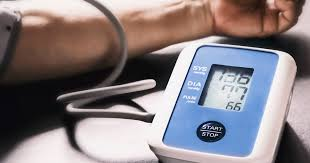
- Regular screenings: Get your blood pressure and cholesterol checked regularly as part of your annual physical.
- Lifestyle first: Diet and exercise are powerful tools for managing these numbers.
- Medication, if needed: Work with your doctor to determine if medication is necessary to maintain healthy blood sugar levels.
- Control Blood Sugar:
- If you have prediabetes or diabetes, adhere strictly to your treatment plan.
- Monitor blood sugar levels and make lifestyle adjustments to keep them stable.
- Prioritize Stress Reduction and Quality Sleep:
- Chronic stress can raise blood pressure and contribute to unhealthy habits. Practice stress-reducing techniques like meditation, yoga, deep breathing exercises, or spending time in nature.
- Aim for 7-9 hours of quality sleep per night. Poor sleep is linked to increased risk of heart disease, high blood pressure, and weight gain.
- Quit Smoking and Limit Alcohol:
- Smoking is one of the most significant risk factors for heart disease and should be stopped immediately.
- If you drink alcohol, do so in moderation (up to one drink per day for women).
- Regular Check-ups and Open Communication with Your Doctor:
- Discuss your menopause symptoms and any personal or family history of heart disease with your healthcare provider.
- Understand your individual risk factors and work together to develop a personalized prevention plan tailored to your needs.
- The role of Hormone Replacement Therapy (HRT) in heart health is complex and merits discussion with your doctor. While HRT started early (within 10 years of menopause or before age 60) for symptom management may not increase heart risk and could even be protective in some cases, it is not primarily prescribed for heart disease prevention and carries considerations for each individual.
Menopause is not a disease, but a transition that demands a renewed focus on holistic health. By understanding the evolving risks and adopting proactive lifestyle choices, women can navigate this phase with strength, resilience, and a heart that remains healthy and vibrant for years to come. Your future heart health starts now.
Discover more from Healthinfo24.com
Subscribe to get the latest posts sent to your email.




Ellie2206
https://shorturl.fm/Jkv32