

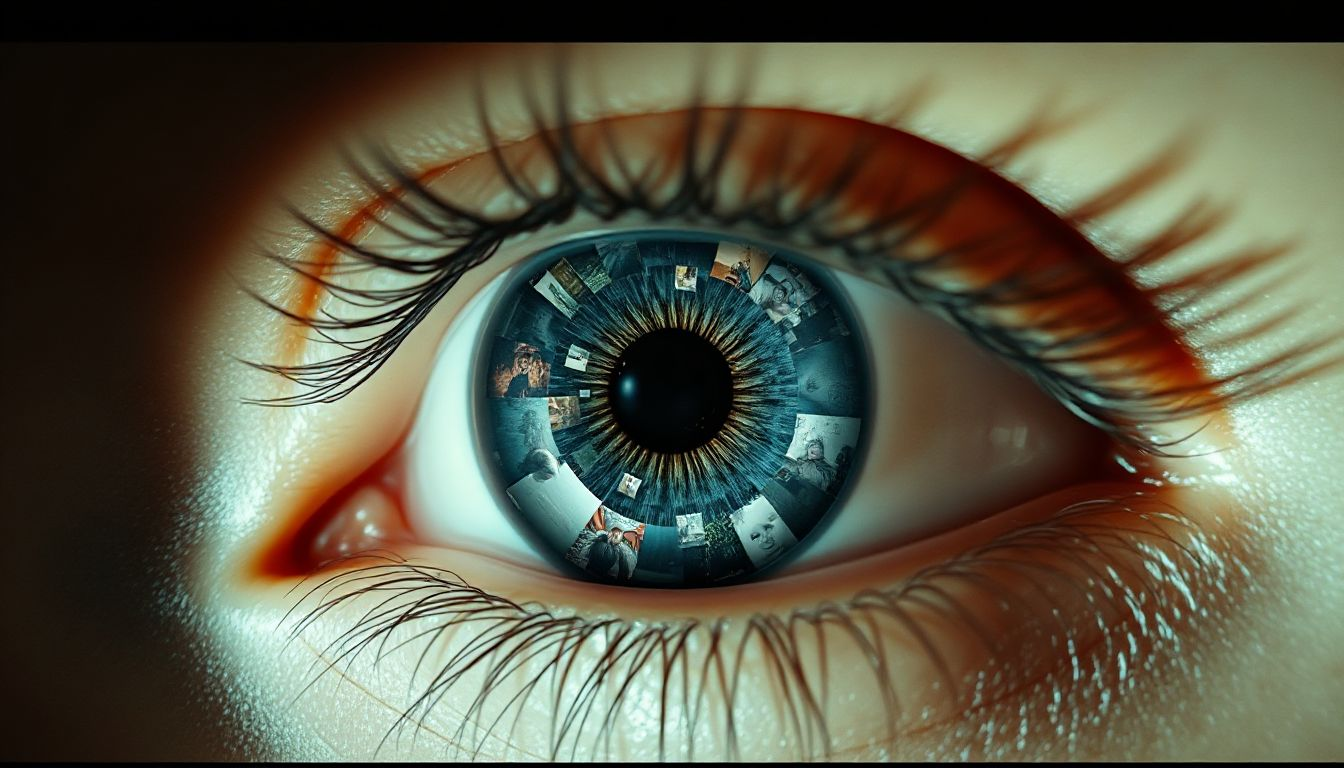
Remember a family vacation from your childhood? Perhaps you see the old hotel, smell the chlorine from the pool, and hear your sibling laughing. What if that hotel had been torn down before you were born? Or what if your sibling insists they were never there? It’s a strange feeling when a strong memory doesn’t line up with reality. This happens more often than we think.
Our memories are not perfect video recordings. They are more like stories we tell ourselves, rebuilt each time we recall them. They get changed by new information, our feelings, and even our imagination. This means it is possible to form false memories. These are recollections of events that never happened, or distorted versions of real ones. This article will look into the science of false memories. We will learn how they form and why understanding them matters so much in our daily lives.
The Brain’s Memory Machine: How We Remember
Your brain is always working hard to capture and store the world around you. This complex process allows us to learn, grow, and recall past moments. Memory isn’t just one thing; it involves many steps.
Encoding: Laying Down the Tracks
The first step in remembering something is encoding. This is when your brain takes sensory input, like sights, sounds, or smells, and changes it into a format it can store. Think of it like turning a spoken word into written text. This process depends a lot on your attention. If you are not paying attention, the information might never even begin its journey into memory. Strong emotions can also make encoding more effective. You might remember exactly where you were when you heard big news because your feelings made the moment stick.
Your brain first holds information in sensory memory for a very brief time. Then, if you pay attention, it moves to short-term memory. This is your working memory, where you actively hold and manipulate small bits of information for a short time.
Storage: The Archive of Experience
Once information is encoded, the brain tries to store it for later use. This is called memory consolidation. It is how memories become stable and lasting. This process involves changes in the connections between brain cells, known as synapses. When you learn something new or have an experience, these connections get stronger. This is called long-term potentiation.
Over time, these strengthened connections build complex neural networks. They form the physical basis of your long-term memories. The hippocampus, a small part of your brain, plays a massive role in this. It acts like a temporary holding station, helping to organize new memories before they are sent to other parts of the brain for more permanent storage.
Retrieval: Accessing Stored Information
Retrieval is the act of pulling a memory from storage. But it is not like pressing play on a VCR. Instead, retrieving a memory is an active process. Your brain reconstructs the memory each time you access it. You often use cues to help you remember. A particular smell might bring back a childhood kitchen. A familiar song can transport you to a past dance.
Memories are also often tied to their original context. This is known as context-dependent memory. You might recall details better if you are in the same place where you learned them. Your emotional state can also influence recall. This is state-dependent memory. If you were happy when an event happened, you might remember it best when you are happy again.
The Birth of False Memories: When Recall Goes Wrong
Even with all these amazing processes, our memory is not perfect. Sometimes, errors happen during encoding, storage, or retrieval. These errors can lead to the creation of false memories. It is when we remember things that did not happen, or we remember them very differently from how they occurred.
Misinformation Effect: The Power of Suggestion
One significant way false memories form is through the misinformation effect. This happens when new information, given after an event, changes our memory of that event. A famous study by Elizabeth Loftus showed this clearly. People watched videos of car accidents. Then, they were asked questions about how fast the cars were going when they “smashed,” “collided,” or “hit” each other. Those who requested the word “smashed” later remembered the cars going faster. They even recalled seeing broken glass, even though there was none.
This effect has enormous real-world consequences. Imagine an eyewitness to a crime. If police or lawyers ask leading questions, the witness’s memory can shift. This can lead to them recalling details that were suggested to them, not details they truly saw. Elizabeth Loftus has done much work on how easily memory can be distorted. Her research shows how fragile our recollections can be, especially under suggestion.
Source Monitoring Errors: Forgetting Where It Came From
Sometimes, we remember a piece of information but forget where we got it. This is called a source monitoring error. You might think you experienced something yourself when you just heard about it from a friend. Or, you might confuse something you imagined with something that truly happened.
This can lead to “imagination inflation.” This is when simply imagining an event makes you more likely to believe it happened. Another related idea is cryptomnesia. This occurs when someone mistakenly thinks an idea originated from their own work, but it actually came from an earlier source that was forgotten. It’s like accidentally plagiarizing without knowing it.
Confabulation: Filling in the Gaps
Confabulation happens when your brain fills in missing pieces of a memory with made-up information. The person doing the confabulating believes their false memories are real. They are not trying to lie or trick anyone. Their brain creates a coherent story to bridge gaps in their recollection.
This can be seen in some neurological conditions, like certain types of brain injury or dementia. Patients might vividly describe events that never happened. They do this to make sense of their past, not to deceive. It shows how strong the brain’s need is to create a complete narrative, even if parts of it are not genuine.
Factors That Make Us Susceptible to False Memories
While anyone can experience false memories, some factors make us more prone to them. Understanding these can help us be more careful with our memories and those of others.
Age and Development
Our memory system changes as we grow. Children, for example, have developing brains. Suggestions can more easily sway their memories. They may struggle to distinguish between their own experiences and what they were told. Studies show that leading questions in legal settings can more easily sway younger children. This makes their testimony especially sensitive.
Emotional State and Stress
Your emotional state can play a significant role in how you remember things. High stress or powerful emotions can have a dual effect on memory. Sometimes, intense emotion can make a memory more vivid and clear. However, stress can also impair your memory, especially for details. Under extreme pressure, your brain might focus on key survival information. It could ignore surrounding details, making your memory of the event less complete and possibly more open to distortion later. A neuroscientist might say, “Acute stress can narrow our focus, making central details stand out but leaving peripheral information vulnerable to error or omission.”
Cognitive Biases
Our brains use shortcuts to make sense of the world. These are called cognitive biases. They can also mess with our memories. Confirmation bias, for example, is when we favor information that confirms what we already believe. If you think something about a past event, your brain might recall details that support that belief. It might even fabricate new information to fit the story, ignoring anything that contradicts it. These biases can quietly shape our memories over time. They make it harder to see when our recollections might be flawed.
Real-World Implications: Where False Memories Matter
The science of false memories isn’t just a fascinating topic for researchers. It has profound impacts on many parts of our lives, from the justice system to personal relationships.
Eyewitness Testimony in the Justice System
Eyewitness testimony is often seen as strong evidence in court. Yet, the science of false memories shows it can be very unreliable. People usually believe what they see, even if it’s influenced by misinformation or suggestions. This unreliability has led to many wrongful convictions. Innocent people have spent years in prison because someone honestly, but mistakenly, identified them. For instance, many wrongful convictions, over 70% in some analyses, stem from mistaken eyewitness IDs. Groups like the Innocence Project work to overturn these convictions. They often find that flawed eyewitness testimony was a significant cause.
Therapy and Recovered Memories
The idea of “recovered memories” of past trauma, especially in therapy, is a sensitive and controversial topic. Some people believe that traumatic memories can be repressed and then accurately recalled years later. However, research on false memories suggests that therapeutic techniques can sometimes inadvertently create or implant memories. This is not because therapists intend to deceive. It is because suggestion and imagination can profoundly affect memory. This has led to much debate within the field of psychology. It highlights the fine line between helping someone recall actual events and risking the formation of false ones.
Everyday Life and Personal Relationships
False memories are not limited to major court cases. They show up in our daily lives, too. You might argue with a family member about “what happened” at a past event. Both of you might have slightly different, but firmly held, false memories. These minor inaccuracies can affect how we view our past. They also shape our understanding of personal relationships. It is easy to misremember arguments, compliments, or shared experiences. This can lead to misunderstandings and hurt feelings. Our narratives are often a mix of fact and unintentionally created fiction.
Strengthening Your Memory and Identifying Potential Inaccuracies
Understanding how false memories work can make you more critical of your recollections. While you cannot make your memory perfect, you can improve its accuracy and spot potential errors.
Critical Evaluation of Memories
Do not just assume a vivid memory is always actual. When recalling important events, try to cross-reference your memory with external evidence. Talk to others who were there. Look at photos, videos, or old calendars. Be aware that memory is a reconstructive process. Each time you remember something, you are rebuilding it. This process can introduce small changes.
Mindful Recall Techniques
You can improve how you encode and retrieve information. Try techniques like spaced repetition. This means reviewing information over longer and longer periods. It helps move information into long-term memory. Mnemonic devices, like acronyms or visual aids, can also help you encode details more accurately. These methods help lay down stronger memory tracks from the start.
Being Wary of Suggestive Information
Approach new information about past events with a critical mindset. This is especially true if you are asked questions about an event that occurred a while ago. If someone suggests details you do not remember, pause and think. Did you experience that, or are you just hearing it now? Do not let others fill in the blanks for you. Politely state if you do not recall a specific detail. This helps protect your memories from outside influence.
Conclusion: Embracing the Imperfect Narrative
Memory is not a perfect video camera. It is a dynamic, creative process. Many factors shape it. Our experiences, emotions, and even new information change how we recall events. Understanding false memories is incredibly important. It helps us question our recollections with intellectual humility. It also enables us to navigate societal systems that rely heavily on memory, such as the legal system.
Knowing that memory is fallible can change how you view your past. It can also change how you interact with others’ stories. It teaches us to be more forgiving of our memory quirks. It helps us approach others’ memories with greater understanding. This nuanced view of memory empowers us. It allows us to build a more accurate and compassionate understanding of ourselves and our shared history.
Discover more from Healthinfo24.com
Subscribe to get the latest posts sent to your email.






Louis1933
https://shorturl.fm/YGW3b